US Tariffs Set to Reshape Global Polymer Markets
Resintel / Posted on March 20, 2025
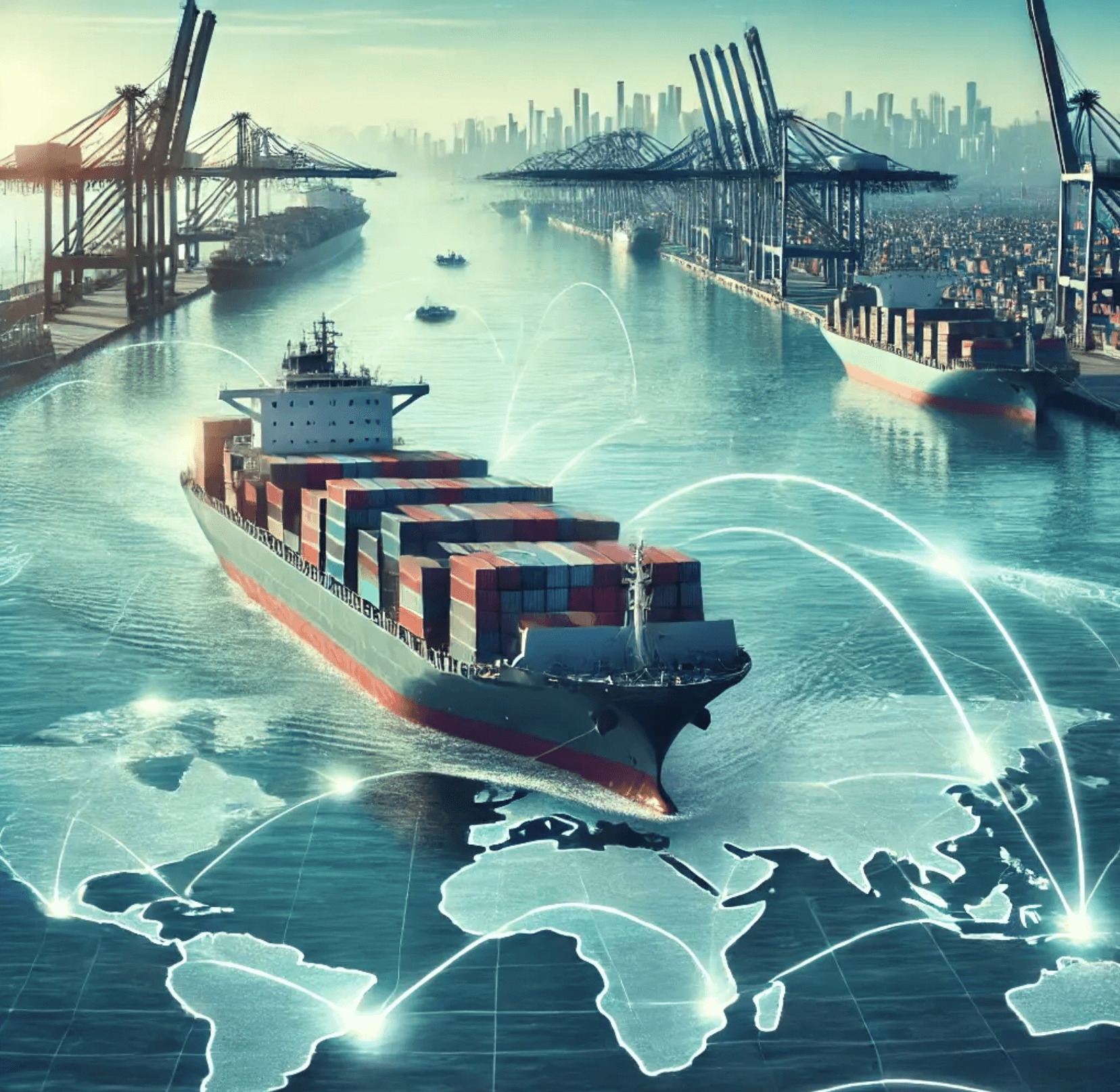
The latest round of reciprocal tariffs that were announced April 2, 2025 by President Donald Trump is expected to send shockwaves through the global markets. With a minimum 10% tariff on all imports to the US, significantly higher rates on goods from major trading partners and other countries, industry leaders are bracing for supply chain disruptions and rising costs.
Canada and Mexico, both key players in the North American plastics trade appear to have garnered a reprieve from USMCA specific tariff exemptions including polymers like Polyethylene and Polypropylene although imported automobiles will still face a 25% tariff. It remains unclear if intermediate auto parts will face the minimum 10% tariff, the full 25% on vehicles, or be exempt under USMCA exceptions.
The new tariff policies threaten to upend existing trade patterns, particularly in the plastics and chemicals industries, where billions of dollars in raw materials and finished products move between the three countries annually. Canadian resin producers, including some of the world’s leading PE and PP players supply significant volumes of resins into the US market. Without USMCA exceptions, Mexico’s plastic manufacturing sector, which depends heavily on final goods exports to the US, could see declining demand for resin feedstock imports, leading to potential US production cuts and reduced resin consumption in Mexico.
These tariff measures could eventually force US buyers of goods from outside North America to shift toward domestic manufacturing sources. US manufacturing should benefit from expansions resulting from onshoring of final goods production as a result. Polypropylene imports estimated at 90 million pounds per month, should be curtailed as no longer competitive driving US buyers to procure more US resin. Some PE exports from the US could be affected, which would require sustained reduced operating rates from US PE producers.
Beyond North America, the impact of these tariffs will ripple across global polymer markets.
The European Union now faces a 20% tariff on its exports to the US, while China, Japan, Vietnam, Taiwan and other countries which have been hit with rates ranging from 10% to 49%. These increased trade costs could make US imports of foreign polymers and plastic products more expensive following any retaliatory tariffs, potentially reshaping supply chains and leading to increased costs for industries that rely on these materials to produce goods, such as automotive, manufacturing, and consumer goods.
Trade organizations representing the plastics industry have raised alarms about the consequences of these tariffs, warning that higher costs and supply chain disruptions could harm competitiveness. Manufacturers relying on imported raw materials for production may struggle to maintain profitability, likely leading to price increases for consumers.
While US officials argue that these measures are designed to promote domestic manufacturing, businesses in sectors like packaging, other plastic goods, and automotive components now face tougher decisions about sourcing materials while products from abroad will likely require adjusting production strategies.
The future of global trade relationships remains uncertain with several countries likely to impose retaliatory tariffs, while others might drop tariffs on US goods. As businesses evaluate alternative sourcing strategies and supply chain adjustments, the full impact of these tariffs on the polymer industry is yet to be determined. However, the policies mark a significant shift in US trade relations and could potentially reshape global markets for years to come. This sweeping set of tariffs is likely to have far reaching consequences for international trade and businesses that will have to nimble and adjust to the new environment.
Or Trump could just be negotiating. We await to see the international response, perhaps it will bring players to the table fearful of losing sales to the US, along with offers to reduce or cancel tariffs imposed on US goods. While the fresh announcements have provided some clarity, the ongoing tariff situation will likely remain volatile with adjustments likely to be made.
|
Country |
Tariffs Charged on US Goods |
New U.S. Reciprocal Tariff |
|
China |
67% |
34% |
|
European Union |
39% |
20% |
|
Vietnam |
90% |
46% |
|
Taiwan |
64% |
32% |
|
Japan |
46% |
24% |
|
India |
52% |
26% |
|
South Korea |
50% |
25% |
|
Thailand |
72% |
36% |
|
Switzerland |
61% |
31% |
|
Indonesia |
64% |
32% |
|
Malaysia |
47% |
24% |
|
Cambodia |
97% |
49% |
|
United Kingdom |
10% |
10% |
|
South Africa |
60% |
30% |
|
Brazil |
10% |
10% |
|
Bangladesh |
74% |
37% |
|
Singapore |
10% |
10% |
|
Israel |
33% |
17% |
|
Philippines |
34% |
17% |
|
Chile |
10% |
10% |
|
Australia |
10% |
10% |
|
Pakistan |
58% |
29% |
|
Turkey |
10% |
10% |
|
Sri Lanka |
88% |
44% |
|
Colombia |
10% |
10% |
|
Peru |
10% |
10% |
|
Nicaragua |
36% |
18% |
|
Norway |
30% |
15% |
|
Costa Rica |
17% |
10% |
|
Jordan |
40% |
20% |
|
Dominican Republic |
10% |
10% |
|
United Arab Emirates |
10% |
10% |
|
New Zealand |
20% |
10% |
|
Argentina |
10% |
10% |
|
Ecuador |
12% |
10% |
|
Guatemala |
10% |
10% |
|
Honduras |
10% |
10% |
|
Madagascar |
93% |
47% |
|
Myanmar (Burma) |
88% |
44% |
|
Tunisia |
55% |
28% |
|
Kazakhstan |
54% |
27% |
|
Serbia |
74% |
37% |
|
Egypt |
10% |
10% |
|
Saudi Arabia |
10% |
10% |
|
El Salvador |
10% |
10% |
|
Côte d'Ivoire |
41% |
21% |
|
Laos |
95% |
48% |
|
Botswana |
74% |
37% |
|
Trinidad and Tobago |
12% |
10% |
|
Morocco |
10% |
10% |
Copyright © 2025. Resintel. All rights reserved.